Table of Contents
- What Is Intestinal Obstruction?
- What Is a Bowel Blockage?
- Why Intestinal Obstruction Is Dangerous
- Common Intestinal Obstruction Symptoms
- Emergency Warning Signs
- What Does Obstruction Pain Feel Like?
- Vomiting and Abdominal Swelling: Why It Happens
- Causes of Intestinal Obstruction
- Difference Between Constipation and Intestinal Obstruction
- When Should You Go to the Emergency Room?
- How Intestinal Obstruction Is Diagnosed
- Treatment for Intestinal Obstruction
- What Happens During Surgery?
- Can Intestinal Obstruction Be Prevented?
- Advanced Intestinal Surgery in Anand
- Why Early Diagnosis Saves Lives
- FAQs
- Red Flag Symptoms
- Why Gastroheal Is a Trusted Gastro Surgery Center
- Final Thoughts
- Consultation in Anand
Stomach pain, bloating, constipation, or vomiting are common digestive complaints. Many people ignore these symptoms, assuming it is acidity, food poisoning, or gas.
But sometimes, these symptoms may indicate a dangerous condition called:
Intestinal Obstruction (Bowel Blockage)
An intestinal obstruction is a medical emergency in many cases. If not treated on time, it can lead to severe infection, damage to the intestine, and life-threatening complications.
The good news is:
Early diagnosis and timely treatment can save lives.
In this detailed guide, you will learn:
- What intestinal obstruction means
- Common intestinal obstruction symptoms
- Causes of bowel blockage
- Emergency warning signs
- Why severe abdominal pain should never be ignored
- Treatment and surgery options
- Where to get expert care in Anand and Kheda district
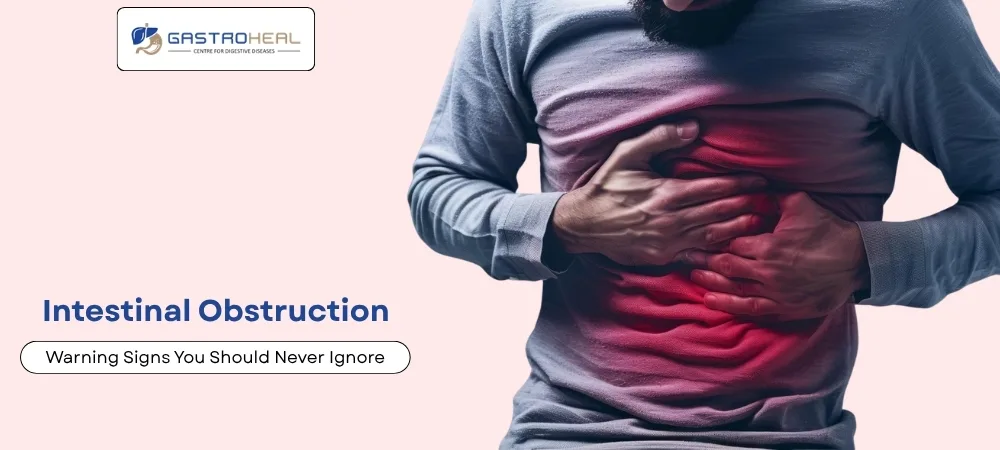
What Is Intestinal Obstruction?
Intestinal obstruction means there is a blockage inside the intestine that prevents:
- Food
- Fluid
- Gas
- Stool
from moving normally through the digestive tract.
This blockage may be:
- Partial
- Complete
A complete blockage is often an emergency.
What Is a Bowel Blockage?
Another common term for intestinal obstruction is:
Bowel Blockage
The blockage may occur in:
- Small intestine
- Large intestine (colon)
When blockage occurs:
- The intestine swells
- Pressure increases
- Digestion stops properly
This can quickly become serious.
Why Intestinal Obstruction Is Dangerous
If untreated, bowel blockage can lead to:
- Loss of blood supply to intestine
- Intestinal damage
- Severe infection
- Perforation (hole in intestine)
- Sepsis
This is why early medical attention is critical.
Intestinal Obstruction Symptoms
Symptoms may start gradually or suddenly.
Common Intestinal Obstruction Symptoms
- Severe abdominal pain
- Vomiting
- Abdominal swelling
- Bloating
- Constipation
- Inability to pass gas
- Nausea
Emergency Warning Signs
Seek immediate medical attention if you experience:
- Continuous severe abdominal pain
- Persistent vomiting
- Abdominal swelling increasing rapidly
- Inability to pass stool or gas
- Fever with abdominal pain
These symptoms may indicate emergency bowel blockage.
What Does Obstruction Pain Feel Like?
Pain is usually:
- Cramping in nature
- Severe and recurring
- Spread across abdomen
- Associated with swelling and vomiting
Unlike acidity, obstruction pain often becomes progressively worse.
Vomiting and Abdominal Swelling: Why It Happens
When the intestine is blocked:
- Food and fluids cannot move forward
- The stomach and intestines swell
- Vomiting occurs due to pressure buildup
This combination is a major warning sign.
Causes of Intestinal Obstruction
Several conditions can cause bowel blockage.
1. Adhesions (Scar Tissue)
Previous abdominal surgeries may create scar tissue.
This is one of the most common causes.
2. Hernia
Part of the intestine may become trapped inside a hernia.
3. Intestinal Tumors
Growths can block the passage of stool.
4. Severe Intestinal Inflammation
Conditions like diverticulitis or Crohn’s disease may cause narrowing.
5. Twisting of Intestine
Also called volvulus.
This can cut off blood supply.
6. Gallstone Obstruction
Rarely, large gallstones may block the intestine.
Difference Between Constipation and Intestinal Obstruction
| Feature | Constipation | Intestinal Obstruction |
|---|---|---|
| Pain | Mild | Severe |
| Vomiting | Rare | Common |
| Abdominal swelling | Mild | Significant |
| Passing gas | Usually possible | Often impossible |
When Should You Go to the Emergency Room?
Go immediately if you have:
- Severe abdominal pain emergency
- Continuous vomiting
- Sudden abdominal swelling
- Fever with pain
- Inability to pass stool
Delaying treatment can become dangerous.
How Intestinal Obstruction Is Diagnosed
1. Medical Examination
Doctors evaluate:
- Pain pattern
- Swelling
- Vomiting
- Bowel sounds
2. Blood Tests
Blood tests help detect:
- Infection
- Dehydration
- Electrolyte imbalance
3. X-Ray
May show trapped gas and blockage.
4. CT Scan
One of the most important tests.
It helps identify:
- Location of blockage
- Cause of obstruction
- Complications
Treatment for Intestinal Obstruction
Treatment depends on severity and cause.
1. Initial Emergency Treatment
Patients may require:
- IV fluids
- Pain management
- Nasogastric tube
- Monitoring
2. Non-Surgical Treatment
Some partial obstructions improve with:
- Bowel rest
- Observation
- Fluids
3. Surgical Treatment
Surgery is required when:
- Obstruction is complete
- Blood supply is affected
- Tumor causes blockage
- Perforation risk develops
What Happens During Surgery?
The surgeon may:
- Remove blockage
- Release trapped intestine
- Remove damaged bowel
- Repair hernia
- Remove tumor if needed
Benefits of Early Surgery
Early surgical treatment helps:
- Prevent intestinal damage
- Reduce infection risk
- Improve recovery
- Save lives
Can Intestinal Obstruction Be Prevented?
Not all cases are preventable, but risk can be reduced by:
- Treating hernias early
- Managing intestinal diseases
- Avoiding delayed treatment
- Eating balanced diet
Advanced Intestinal Surgery in Anand
Patients in Anand and Kheda district previously had to travel to larger cities for emergency intestinal surgery.
Now specialized care is available locally at Gastroheal – Centre for Digestive Diseases
Expertise in Gastro Surgery
Gastroheal is led by Dr. Prem Shah
with expertise in:
- Emergency intestinal surgery
- Gastrointestinal cancer surgery
- Advanced laparoscopic procedures
- Complex digestive disease management
This ensures advanced digestive care near your hometown.
Why Early Diagnosis Saves Lives
Early diagnosis helps:
- Prevent intestinal damage
- Avoid severe infection
- Reduce complications
- Improve surgical outcomes
Ignoring symptoms may worsen the condition rapidly.
FAQs
What are intestinal obstruction symptoms? ▼
Is bowel blockage dangerous? ▼
What causes intestinal obstruction? ▼
When should I go to the hospital? ▼
Can intestinal obstruction go away without surgery? ▼
Is vomiting a sign of bowel obstruction? ▼
Red Flag Symptoms
Seek emergency medical help if you experience:
- Severe abdominal pain emergency
- Persistent vomiting
- Sudden abdominal swelling
- Fever with abdominal pain
- Blood in stool
Why Gastroheal Is a Trusted Gastro Surgery Center
Gastroheal provides:
- Advanced digestive surgery
- Emergency intestinal care
- Modern laparoscopic procedures
- Patient-focused treatment
Patients in Anand and nearby regions now have access to specialized digestive care locally.
Final Thoughts
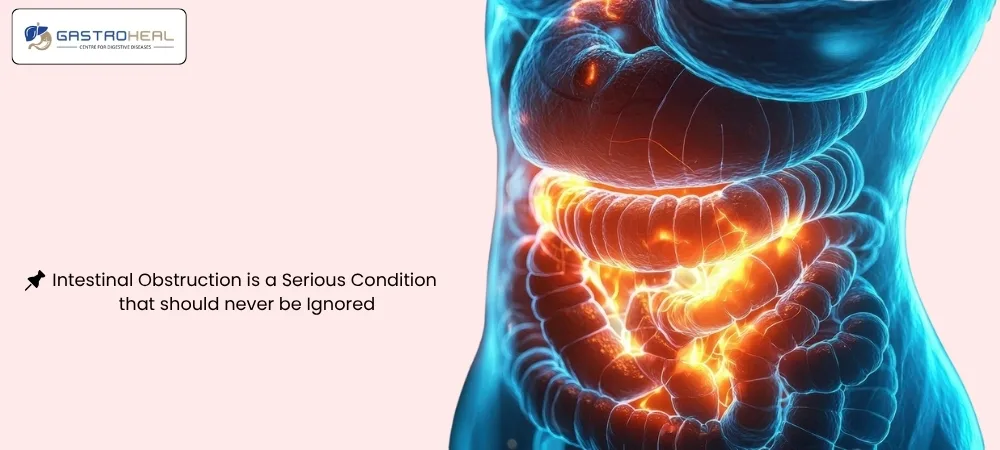
Intestinal obstruction is a serious condition that should never be ignored.
Symptoms like vomiting, abdominal swelling, and severe pain may indicate bowel blockage requiring urgent treatment.
Early diagnosis and timely surgery can save lives.
If symptoms persist or worsen, seek medical attention immediately.
Consultation in Anand
If you are experiencing:
- Intestinal obstruction symptoms
- Severe abdominal pain
- Vomiting and abdominal swelling
- Bowel blockage symptoms
Consult: