Table of Contents
- What Are Gallbladder and Bile Duct Stones?
- Why Gallstones Are Common in Gujarat
- Early Symptoms of Gallbladder and Bile Duct Stones
- Warning Signs You Should Never Ignore
- What Happens If Gallstones Are Not Treated?
- Why Early Diagnosis Is the Best Treatment
- Simple Surgery vs Staged Treatment: A Big Difference
- How Gallstones Are Diagnosed
- Is Gallbladder Removal Safe?
- Who Is at Higher Risk?
- Why Local Treatment Matters in Anand–Kheda Region
- Common Myths About Gallstones
- When Should You See a Doctor?
- Life After Gallbladder Surgery
- Key Takeaway for Patients in Gujarat
- Conclusion
Gallbladder and bile duct stones are becoming increasingly common among people in Gujarat, especially in cities and towns like Anand, Kheda, Nadiad, and nearby regions. Many patients ignore early symptoms because they appear mild or similar to common digestion problems. However, when left untreated, these stones can lead to serious and painful complications.
In simple words, gallbladder and bile duct stones are not just a stomach issue. They are a digestive health problem that requires timely diagnosis and proper treatment.
This article explains everything you need to know about gallbladder stones and bile duct stones, including symptoms, causes, risks, complications, and why early treatment can save you from major surgery and unnecessary expenses.
What Are Gallbladder and Bile Duct Stones?
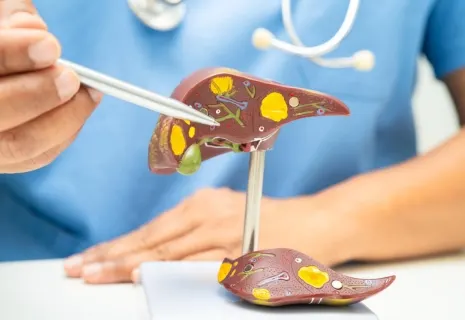
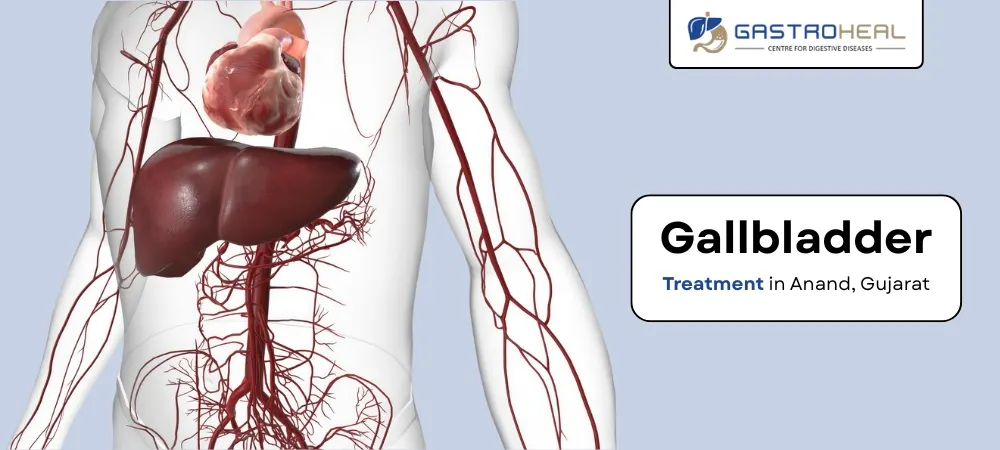
The gallbladder is a small pouch located below the liver. Its job is to store bile, a digestive fluid that helps in digesting fats. Bile flows from the gallbladder through small tubes called bile ducts into the intestine.
Sometimes, bile becomes thick and forms hard stone-like particles. These are called gallstones. When stones remain in the gallbladder, they are called gallbladder stones. When they move into the bile duct, they are called bile duct stones (CBD stones).
Both conditions can be dangerous if not treated on time.
Why Gallstones Are Common in Gujarat
Gallbladder stone cases are frequently seen in Gujarat due to a combination of lifestyle, diet, and health factors.
Common reasons include:
- High-fat and oily food habits
- Irregular meal timings
- Sedentary lifestyle
- Obesity or sudden weight loss
- Diabetes and hormonal changes
- Family history of gallstones
People in the Anand–Kheda belt often experience digestive discomfort but delay medical consultation, assuming it is acidity or gas. This delay is one of the biggest reasons complications develop later.
Early Symptoms of Gallbladder and Bile Duct Stones
In the early stages, gallstones may not cause severe pain. This is why many people ignore them.
Common early symptoms include:
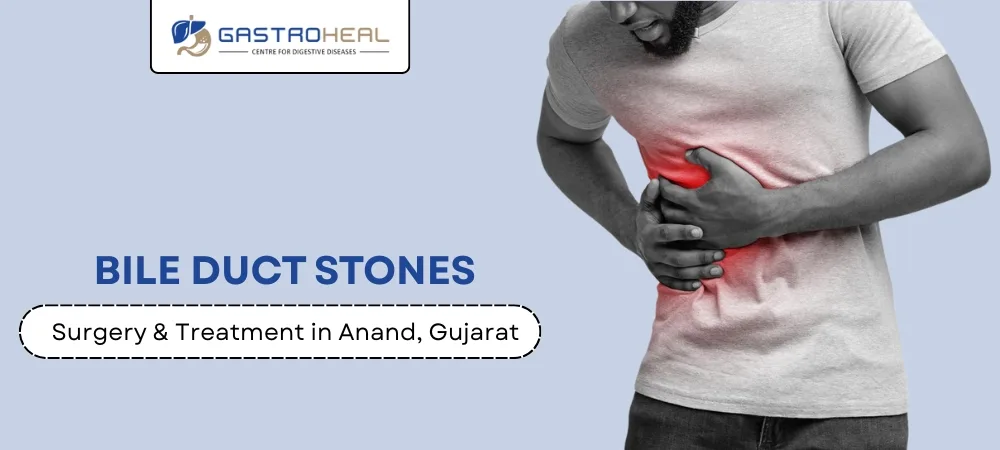
- Pain in the upper abdomen, especially on the right side
- Repeated acidity or indigestion
- Bloating after meals
- Nausea or vomiting
- Mild fever
- Discomfort after eating oily food
Because these symptoms resemble common digestive problems, patients often self-medicate or ignore them.
Warning Signs You Should Never Ignore
As stones grow or move, symptoms become more serious.
Red-flag symptoms include:
- Severe abdominal pain lasting for hours
- Pain spreading to the back or right shoulder
- High fever with chills
- Yellowing of eyes or skin (jaundice)
- Dark urine and pale stools
- Persistent vomiting
If you experience these symptoms, immediate medical attention is necessary.
What Happens If Gallstones Are Not Treated?
Ignoring gallbladder or bile duct stones can lead to serious health problems.
1. Acute Cholecystitis (Gallbladder Infection)
When a stone blocks the gallbladder outlet, bile gets trapped, causing infection and swelling. This condition is called acute cholecystitis.
Symptoms include:
- Severe abdominal pain
- Fever
- Tenderness in the abdomen
- Vomiting
This condition often requires emergency surgery.
2. Jaundice (Kamlo)
If a stone moves down and blocks the bile duct, bile cannot flow properly into the intestine. Instead, it enters the bloodstream, causing jaundice.
Signs of jaundice:
- Yellow eyes and skin
- Itching
- Dark urine
- Weakness
This condition indicates bile duct obstruction and should not be delayed.
3. Pancreatitis (Swadupind Inflammation)
One of the most dangerous complications occurs when a stone gets stuck near the pancreas. This can cause pancreatitis, a painful and sometimes life-threatening condition.
Symptoms include:
- Severe upper abdominal pain
- Pain radiating to the back
- Persistent vomiting
- Fever
Pancreatitis often requires ICU care and prolonged hospital stay.
Why Early Diagnosis Is the Best Treatment
The good news is that gallbladder and bile duct stones are highly treatable when detected early.
Early diagnosis allows:
- Simple surgical treatment
- Lower risk of complications
- Shorter hospital stay
- Faster recovery
- Reduced medical expenses
Most early-stage gallstone cases can be treated with laparoscopic (keyhole) surgery, which is safe and minimally invasive.
Simple Surgery vs Staged Treatment: A Big Difference
Early Stage – Simple Surgery
- Laparoscopic gallbladder removal
- Small cuts
- Minimal pain
- Discharge within 1–2 days
- Quick return to normal life
Late Stage – Staged Treatment
When stones cause complications:
- First, endoscopy (ERCP) to remove bile duct stones
- Then gallbladder surgery
- Longer recovery
- Higher cost
- Increased risk
This is why timing matters.
How Gallstones Are Diagnosed
Doctors use simple and safe tests to detect gallstones.
Common investigations include:
- Ultrasound of abdomen
- Blood tests
- Liver function tests
- CT scan or MRI (if required)
Early testing helps in choosing the right treatment at the right time.
Is Gallbladder Removal Safe?
Yes. Gallbladder removal is a common and safe procedure. The body adapts well without the gallbladder, and digestion continues normally.
After surgery:
- Patients can eat normal food gradually
- No long-term dietary restrictions
- Improved quality of life
Most patients feel relief from years of digestive discomfort after surgery.
Who Is at Higher Risk?
You may be at higher risk if you:
- Are above 40 years of age
- Are overweight
- Have diabetes
- Have a family history of gallstones
- Have frequent acidity or abdominal pain
- Consume oily or junk food regularly
People in urban and semi-urban Gujarat are seeing a rising trend due to lifestyle changes.
Why Local Treatment Matters in Anand–Kheda Region
Getting treatment close to home has many advantages:
- Faster consultation
- Better follow-up care
- Reduced travel stress
- Family support during recovery
Centers like Gastroheal Hospital focus on early diagnosis and timely intervention for digestive diseases, helping patients avoid advanced complications.
Common Myths About Gallstones
Myth: Gallstones dissolve with medicines
Fact: Medicines rarely dissolve stones and are not a permanent solution
Myth: Surgery should be avoided at all costs
Fact: Delaying surgery increases risks and expenses
Myth: Pain will go away on its own
Fact: Pain usually returns with greater severity
When Should You See a Doctor?
You should consult a specialist if:
- You have repeated abdominal pain
- Acidity is not responding to medicines
- You experience fever with stomach pain
- You notice yellowing of eyes or urine
Early consultation can prevent emergency situations.
Life After Gallbladder Surgery
Most patients return to normal life within a few days.
Post-surgery benefits:
- No recurring pain
- Better digestion
- Improved appetite
- Peace of mind
Simple lifestyle changes like balanced diet and regular exercise help maintain long-term digestive health.
Key Takeaway for Patients in Gujarat
Gallbladder and bile duct stones may look harmless in the beginning, but ignoring symptoms can turn a simple condition into a serious health emergency.
The smartest approach is:
- Do not ignore abdominal pain
- Get timely investigation
- Choose early treatment
- Avoid complications and extra expenses
Early diagnosis and proper surgical care can save you from prolonged suffering.
Conclusion
If you or your family members are experiencing persistent digestive issues, acidity-like symptoms, or abdominal pain, do not take them lightly. Gallbladder and bile duct stones are common but manageable when treated on time.
For people living in Anand, Kheda, and nearby districts, timely consultation with a digestive health specialist can make all the difference between simple treatment and complex staged procedures.
Your health deserves attention, early care is always better than emergency care.
Don’t Ignore Symptoms – Consult a GI Specialist Now!