Table of Contents
- Why Did Patients Previously Travel Outside Anand for GI Surgery?
- What Was Discussed During Gastroheal’s CME?
- Why Advanced GI Surgery Matters
- Major Gastro Surgeries Now Available in Anand
- Common Symptoms People Should Never Ignore
- How Early Diagnosis May Prevent Major Surgery
- Meet Dr. Prem Shah
- About Gastroheal – Centre for Digestive Diseases
- Why This CME Matters for Patients
- FAQs
- Quick Summary
- Ten Key Takeaways
- Consult Dr. Prem Shah at Gastroheal
For many years, patients from Anand, Kheda, Nadiad, Karamsad, Petlad, Borsad, Vallabh Vidyanagar, and other parts of Central Gujarat often travelled to Ahmedabad, Vadodara, Mumbai, or other major cities for complex digestive surgery.
The journey was not limited to the day of surgery.
Families also had to travel for:
- Specialist consultations
- Diagnostic evaluations
- Preoperative planning
- Hospital admission
- Postoperative follow-ups
- Management of unexpected complications
For elderly patients, critically ill patients, and families with limited resources, repeated travel could delay treatment and add significant physical, emotional, and financial stress.
This situation is gradually changing.
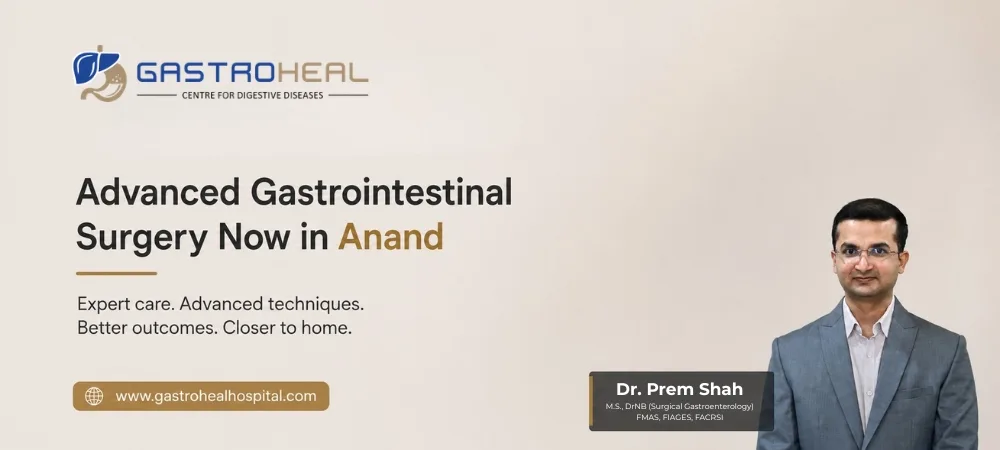
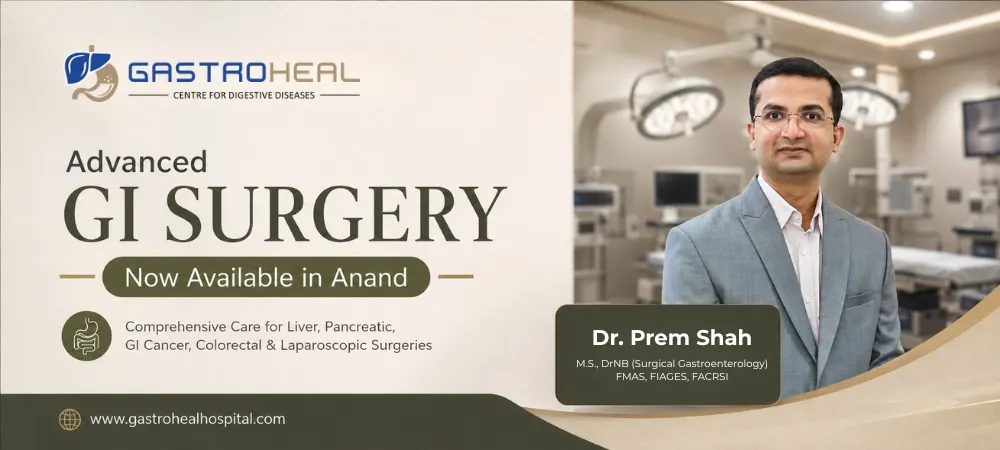
Major GI surgery in Anand is now available through Gastroheal – Centre for Digestive Diseases at Mahendra Shah Hospital. It is led by Dr. Prem Shah, the first full-time formally trained Surgical Gastroenterologist in Anand.
Dr. Prem Shah recently conducted a Continuing Medical Education, or CME, seminar for physicians in Anand. The session focused on an important message for the local medical community:
Advanced gastro surgeries, including complex liver, pancreatic, gastrointestinal cancer, colorectal, upper GI, and laparoscopic procedures, can now be evaluated and managed in Anand.
This article is based on key educational themes discussed during that CME. It is not simply an event report. It is a complete guide for doctors, patients, and families who want to understand what advanced Gastrointestinal Surgery involves, which diseases require specialised care, and why timely referral can improve treatment planning.
Are Major Gastro Surgeries Available in Anand?
Yes. Patients can now seek specialised evaluation and surgical care in Anand for several complex digestive conditions, including:
- Liver and bile duct diseases
- Gallbladder stones and complications
- Pancreatic diseases
- Gastrointestinal cancers
- Upper GI disorders
- Corrosive esophageal injuries
- Colorectal diseases
- Intestinal obstruction
- Portal hypertension
- Advanced laparoscopic procedures
Gastroheal provides full-time Surgical Gastroenterology services at Mahendra Shah Hospital, Anand, under the leadership of Dr. Prem Shah.
Why Did Patients Previously Travel Outside Anand for GI Surgery?
Digestive surgery is not limited to routine abdominal procedures.
The digestive system includes several closely connected organs:
- Esophagus or food pipe
- Stomach
- Liver
- Gallbladder
- Bile ducts
- Pancreas
- Small intestine
- Large intestine
- Colon
- Rectum
A disease affecting one organ can influence another. A gallbladder stone, for example, may move into the bile duct and cause jaundice or pancreatitis. A pancreatic tumour may affect digestion, nutrition, bile flow, and nearby blood vessels. Gastrointestinal cancer may require careful staging before any operation is planned.
For this reason, complex GI surgery requires:
- Formal superspeciality training
- Detailed interpretation of scans
- Disease-specific surgical planning
- Experience with complications
- Advanced anaesthesia and critical care support
- Long-term postoperative follow-up
Earlier, these services were concentrated mainly in larger urban centres. Patients from Anand and Kheda therefore travelled outside the district for specialised evaluation.
The availability of a full-time Surgical Gastroenterologist in Anand helps reduce this gap.
What Is Surgical Gastroenterology?
Surgical Gastroenterology is a superspeciality focused on the surgical management of diseases affecting the digestive system.
A Surgical Gastroenterologist, also called a GI surgeon, receives advanced training after General Surgery to manage complex conditions involving the liver, pancreas, gallbladder, esophagus, stomach, intestines, colon, rectum, and related structures.
This training is particularly important for:
- GI cancers
- HPB surgery
- Complex liver resections
- Pancreatic surgery
- Bile duct injuries
- Advanced laparoscopic GI surgery
- Colorectal surgery
- Emergency digestive surgery
A General Surgeon may competently manage many common surgical conditions. However, patients with complex digestive disease often benefit from evaluation by a formally trained GI surgeon.
Why a Physician CME Matters
A Continuing Medical Education seminar allows doctors to discuss:
- New diagnostic approaches
- Updated treatment options
- Referral criteria
- Warning symptoms
- Surgical indications
- Complex case management
- Local availability of specialised care
The recent Gastroheal CME brought together physicians from Anand and surrounding areas. Dr. Prem Shah discussed the range of advanced digestive surgeries now being performed locally and the importance of referring patients at the right stage of disease.
This type of medical collaboration benefits patients because their family doctor or treating physician may be the first person to identify a warning sign.
When physicians know:
- Which symptoms require urgent evaluation
- Which scans or tests may be helpful
- When a GI surgeon should be involved
- Which treatments are now available locally
patients can receive faster diagnosis, timely referral, and coordinated treatment.
What Was Discussed During Gastroheal’s CME?
The CME covered the growing role of specialised Gastrointestinal Surgery in Central Gujarat.
The major clinical areas included liver surgery, pancreatic surgery, gastrointestinal cancer surgery, advanced laparoscopy, gallbladder disease, esophageal injuries, colorectal conditions, and GI emergencies.
Liver and Biliary Surgery
The liver, gallbladder, and bile ducts form an interconnected system.
Conditions that may require specialist evaluation include:
- Liver tumours
- Liver cysts
- Liver abscesses
- Gallbladder stones
- Gallbladder inflammation
- Bile duct stones
- Bile duct narrowing
- Bile duct injury
- Obstructive jaundice
- Selected liver cancers
Liver operations can be technically demanding because the liver has a rich blood supply and performs essential functions.
Before recommending surgery, the surgeon may need to assess:
- Tumour location
- Remaining healthy liver volume
- Liver function
- Relationship with major blood vessels
- Presence or absence of disease elsewhere
- General health of the patient
The availability of liver surgery in Anand allows patients to seek a specialist opinion closer to home before assuming they must travel to a metro city.
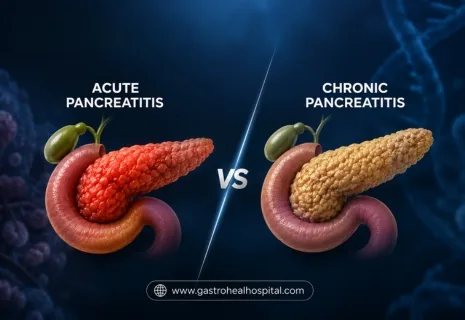
Pancreatic Surgery
The pancreas is located deep inside the upper abdomen and is closely related to the stomach, bile duct, duodenum, liver, and major blood vessels.
Pancreatic diseases include:
- Acute pancreatitis
- Chronic pancreatitis
- Pancreatic cysts
- Pancreatic duct stones
- Pancreatic tumours
- Pancreatic cancer
- Complications of pancreatitis
Some patients require only medical or endoscopic management. Others may need drainage, removal of damaged tissue, duct surgery, or tumour surgery.
Pancreatic operations require careful planning and advanced surgical experience. Access to specialised evaluation supports patients searching for a pancreatic specialist in Gujarat or considering pancreatic surgery.
Gastrointestinal Cancer Surgery
GI cancers can affect:
- Esophagus
- Stomach
- Liver
- Gallbladder
- Bile ducts
- Pancreas
- Small intestine
- Colon
- Rectum
Cancer surgery is not based only on removing visible growth.
The surgeon must consider:
- Cancer stage
- Tumour location
- Nearby lymph nodes
- Blood vessel involvement
- Nutritional health
- Need for chemotherapy or radiation
- Possibility of minimally invasive surgery
- Reconstruction after tumour removal
The timing and sequence of treatment may differ for each patient.
Availability of gastrointestinal cancer surgery in Anand can support earlier local consultation and coordinated referral to oncology services when combined treatment is needed.
Advanced Laparoscopic Surgery
Laparoscopic surgery is performed through small incisions using a camera and specialised instruments.
It may be appropriate for selected:
- Gallbladder operations
- Hernia procedures
- Stomach surgeries
- Colorectal surgeries
- Diagnostic procedures
- Liver procedures
- Pancreatic procedures
- Cancer surgeries
Potential benefits in suitable patients may include:
- Smaller incisions
- Less postoperative pain
- Earlier movement
- Shorter hospital stay
- Faster return to routine activities
- Reduced wound-related problems
Laparoscopy is not automatically the best approach for every patient. The safest method depends on disease stage, previous surgery, infection, anatomy, and the surgeon’s assessment.
Gallbladder and Bile Duct Disease
Gallbladder stones are common, but the disease should not always be considered routine.
A stone may cause:
- Biliary colic
- Acute cholecystitis
- Gallbladder infection
- Bile duct obstruction
- Jaundice
- Cholangitis
- Acute pancreatitis
When a stone moves into the common bile duct, the patient may need staged treatment. This can include endoscopic removal of the duct stone followed by gallbladder surgery.
Early assessment may help prevent avoidable complications and additional procedures.
Esophageal and Food Pipe Injuries
The esophagus is the muscular tube that carries food from the mouth to the stomach.
Surgical Gastroenterology may be involved in:
- Corrosive esophageal injury
- Esophageal narrowing
- Severe swallowing difficulty
- Esophageal perforation
- Complications of reflux
- Esophageal cancer
- Reconstructive surgery
Corrosive injuries caused by ingestion of acid or alkali may lead to long-term scarring and narrowing. Some patients require repeated endoscopic treatment, while severe or complex cases may require reconstructive surgery.
Colorectal Surgery
Colorectal surgery covers diseases of the colon and rectum.
Conditions include:
- Colon cancer
- Rectal cancer
- Diverticulitis
- Intestinal obstruction
- Inflammatory bowel disease complications
- Large polyps not suitable for endoscopic removal
- Rectal prolapse
- Selected benign strictures
Modern colorectal care involves diagnosis, imaging, pathology, surgery, and sometimes chemotherapy or radiation.
Selected patients may be suitable for laparoscopic colorectal surgery.
Emergency GI Surgery
Some digestive conditions can become emergencies within hours.
Examples include:
- Intestinal obstruction
- Gastrointestinal perforation
- Peritonitis
- Internal bleeding
- Acute gallbladder infection
- Complicated pancreatitis
- Strangulated hernia
- Severe abdominal sepsis
- Traumatic injury to digestive organs
Emergency surgery requires rapid diagnosis, stabilisation, anaesthesia support, and appropriate postoperative monitoring.
The availability of full-time specialist care can be especially important in such situations.
Why Advanced GI Surgery Matters
Advanced GI surgery matters because digestive diseases often involve complex anatomy, serious complications, and time-sensitive decisions.
It Supports More Accurate Treatment Planning
A symptom such as upper abdominal pain may originate from the stomach, gallbladder, liver, pancreas, or intestine.
A specialist evaluates:
- The pattern of pain
- Blood test results
- Ultrasound or CT findings
- Endoscopy reports
- Previous treatment
- Disease progression
The correct diagnosis helps avoid both unnecessary surgery and harmful delay.
It Encourages Earlier Diagnosis
Many serious diseases begin with mild symptoms.
Examples include:
- Colon cancer presenting as occasional blood in stool
- Stomach cancer presenting as loss of appetite
- Pancreatic disease presenting as upper abdominal pain
- Liver disease presenting as weakness or jaundice
- Bile duct stones presenting as intermittent pain
Early referral can identify disease before emergency complications develop.
It Provides Organ-Specific Expertise
A formally trained GI surgeon studies the behaviour, anatomy, and surgical treatment of digestive organs in depth.
This is especially relevant for:
- HPB surgery
- Pancreatic surgery
- GI cancer surgery
- Complex bile duct disease
- Advanced colorectal surgery
It Helps Manage Complications
Even a common disease can become complicated.
For example, gallstones may lead to:
- Gallbladder infection
- Bile duct stones
- Jaundice
- Pancreatitis
Specialist care helps coordinate endoscopic, surgical, and postoperative treatment.
It Expands Access to Minimally Invasive Options
Advanced laparoscopic surgery may be possible in selected patients, depending on the disease and clinical condition.
A specialist can determine whether laparoscopy or open surgery offers the safest and most effective approach.
Major Gastro Surgeries Now Available in Anand
Gastroheal provides specialised evaluation and surgical care across several major areas of digestive disease.
Liver Surgery in Anand
Liver surgery may be considered for selected:
- Liver tumours
- Liver cancers
- Benign masses causing symptoms
- Liver cysts
- Certain liver infections
- Metastatic tumours involving the liver
Not every liver mass requires an operation.
The decision depends on:
- Whether the mass is benign or malignant
- Symptoms
- Growth pattern
- Liver function
- Tumour location
- Overall treatment objective
A specialist review of imaging is essential before making a surgical decision.
Pancreatic Surgery in Gujarat
Pancreatic conditions are often complex because the pancreas affects digestion and blood-sugar control.
Surgery may be considered for:
- Pancreatic cancer
- Selected pancreatic cysts
- Chronic pancreatitis with severe pain
- Pancreatic duct obstruction
- Complications such as infected necrosis
- Tumours of the pancreatic head, body, or tail
Not every pancreatitis patient requires surgery.
Treatment may involve medical management, nutrition, endoscopy, drainage, or surgery depending on the cause and complication.
Gallbladder Surgery in Anand
Laparoscopic gallbladder removal is commonly advised for symptomatic gallstones.
Surgery may be recommended when a patient has:
- Repeated gallbladder pain
- Gallbladder infection
- Gallstone pancreatitis
- Bile duct stone complications
- Selected high-risk gallbladder conditions
Early planned surgery is generally easier to organise than treatment after severe infection or pancreatitis develops.
Upper GI Surgery
Upper GI surgery involves the esophagus, stomach, and upper small intestine.
It may include treatment for:
- Stomach cancer
- Esophageal cancer
- Gastric outlet obstruction
- Complicated ulcers
- Hiatal hernia
- Severe reflux complications
- Corrosive esophageal injury
- Benign or malignant stomach tumours
Treatment is individualised after endoscopy, imaging, biopsy, and staging where required.
Lower GI and Intestinal Surgery
Lower GI surgery may be needed for:
- Intestinal obstruction
- Bowel perforation
- Small intestinal tumours
- Complicated inflammatory disease
- Adhesions
- Selected fistulas
- Intestinal ischemia
Vomiting, abdominal swelling, inability to pass stool or gas, and worsening pain may indicate obstruction and require urgent assessment.
Colorectal Surgery
Colorectal surgery may be required for:
- Colon cancer
- Rectal cancer
- Diverticular complications
- Large polyps
- Bowel obstruction
- Perforation
- Selected inflammatory bowel disease complications
For cancer, surgery is planned according to the tumour’s location and stage. Some rectal cancer patients may require chemotherapy or radiation before surgery.
GI Cancer Surgery
Surgery is an important part of treatment for many localised GI cancers.
However, surgery is not always the first or only treatment.
The treatment sequence may include:
- Biopsy
- Staging scans
- Chemotherapy before surgery
- Surgery
- Chemotherapy after surgery
- Radiation in selected cancers
- Nutritional support
- Follow-up surveillance
The plan should be personalised through multidisciplinary discussion.
Advanced Laparoscopic GI Surgery
Advanced laparoscopy may be used in selected cases involving:
- Gallbladder
- Stomach
- Colon
- Rectum
- Liver
- Pancreas
- Hernias
- Diagnostic evaluation
The objective is not simply to use smaller cuts. The objective is to perform the required operation safely while supporting recovery.
Common Symptoms People Should Never Ignore
Not every digestive symptom indicates a serious disease. However, persistent, progressive, or severe symptoms should be evaluated.
Persistent Abdominal Pain
Seek medical advice when pain:
- Continues for several days
- Repeatedly returns
- Worsens after meals
- Radiates to the back
- Is associated with fever or vomiting
- Interrupts sleep
- Becomes suddenly severe
Unexplained Weight Loss
Weight loss without dieting may be associated with:
- Chronic inflammation
- Difficulty eating
- Poor absorption
- Stomach disease
- Pancreatic disease
- GI cancer
It does not confirm cancer, but it requires medical evaluation.
Blood in Stool
Blood in stool may be caused by piles or fissures, but it can also occur with:
- Polyps
- Inflammation
- Diverticular disease
- Colon cancer
- Rectal cancer
Repeated bleeding should not be self-diagnosed.
Persistent Vomiting
Repeated vomiting can lead to dehydration and may indicate:
- Gastric outlet obstruction
- Intestinal obstruction
- Pancreatic disease
- Severe infection
- A tumour
- Other digestive problems
Jaundice
Yellow eyes or skin may occur due to:
- Bile duct stones
- Liver disease
- Bile duct narrowing
- Pancreatic tumour
- Gallbladder disease
Jaundice requires prompt evaluation.
Difficulty Swallowing
Progressive difficulty swallowing may indicate:
- Esophageal narrowing
- Severe inflammation
- Motility disorder
- Corrosive injury
- Tumour
Food repeatedly getting stuck is not normal.
Persistent Acidity
Occasional acidity is common.
Medical review is advisable when symptoms are frequent or associated with:
- Difficulty swallowing
- Weight loss
- Vomiting
- Black stools
- Anaemia
- Chest discomfort
- Poor response to treatment
How Early Diagnosis May Prevent Major Surgery
Early diagnosis does not guarantee that surgery will be avoided. However, it can reduce the risk of complications and may allow simpler treatment.
Gallbladder Stone Example
A patient with recurrent gallbladder pain may undergo planned laparoscopic surgery.
If treatment is delayed and the stone enters the bile duct, the patient may develop jaundice or pancreatitis and require multiple procedures.
Colon Polyp Example
A small precancerous polyp may sometimes be removed during colonoscopy.
If it is not detected and later develops into cancer, bowel surgery may become necessary.
Stomach Ulcer Example
An uncomplicated ulcer may respond to medicines and treatment of H. pylori infection.
If it causes severe bleeding, perforation, or obstruction, endoscopic or surgical intervention may be required.
Intestinal Obstruction Example
A partial obstruction may sometimes improve with monitoring and supportive treatment.
If blood flow to the intestine is compromised, emergency surgery and bowel removal may become necessary.
Cancer Example
Early-stage cancer may be easier to remove completely.
Advanced cancer may require broader surgery, chemotherapy, radiation, or treatment aimed at symptom control.
Meet Dr. Prem Shah
Dr. Prem Shah is the first full-time formally trained Surgical Gastroenterologist in Anand.
He completed his undergraduate and postgraduate training in General Surgery in Gujarat. He then worked in the General Surgery Department at Shree Krishna Hospital, Karamsad.
In 2019, he began superspeciality training in Surgical Gastroenterology at Seth G.S. Medical College and KEM Hospital, Mumbai.
KEM Hospital provided extensive exposure to:
- Complex digestive diseases
- Gastrointestinal cancers
- Liver surgery
- Pancreatic surgery
- Advanced laparoscopic procedures
- Emergency GI surgery
After nearly four years of training, Dr. Prem Shah was awarded DrNB in Surgical Gastroenterology.
He later worked with Mission Gastro Care, Vadodara, and provided visiting Gastro Surgery services at Parul Sevashram Hospital, Waghodia.
His areas of interest include:
- Complex HPB surgery
- Liver and biliary surgery
- Pancreatic surgery
- GI cancer surgery
- Advanced laparoscopic surgery
- Colorectal surgery
He is also involved in academic activities and has presented oral and video work at national and international conferences.
Dr. Prem Shah’s Mission for Anand
Dr. Prem Shah established Gastroheal to make specialised digestive surgical care more accessible to people in Anand, Kheda, and Central Gujarat.
The purpose is not to claim that every patient can or should be treated locally.
The purpose is to provide:
- Timely specialist evaluation
- Appropriate treatment planning
- Advanced surgery where suitable
- Coordinated referral where additional services are required
- Regular follow-up near the patient’s home
About Gastroheal – Centre for Digestive Diseases
Gastroheal is a dedicated Surgical Gastroenterology department located at Mahendra Shah Hospital, Anand.
The hospital’s history dates back to 1976, when Mahendra Shah Hospital was founded by Dr. Mahendra Shah.
Gastroheal was introduced as a superspeciality Surgical Gastroenterology service, with full-time services beginning in 2025.
Gastroheal’s Mission
Gastroheal aims to provide:
- Ethical digestive care
- Affordable treatment
- Patient-centred decision-making
- Advanced Gastrointestinal Surgery
- Emergency support
- Local access to specialist consultation
Hospital Infrastructure
The hospital includes:
- 25 beds
- High Dependency Unit
- Modern operation theatre
- Recovery room
- In-house pharmacy
- Lift access
- Wheelchair-accessible entrance
- Anaesthesia and critical care support
Facilities and services may evolve, so patients should confirm current availability directly with the hospital.
Technology and Surgical Planning
Modern Gastrointestinal Surgery relies on:
- High-quality imaging
- Endoscopy findings
- Laparoscopic equipment
- Anaesthesia monitoring
- Critical care support
- Pathology and laboratory assessment
- Protocol-based perioperative care
Technology is most valuable when used with sound clinical judgement.
Patient-Centred Care
Gastroheal’s approach includes:
- Explaining the diagnosis clearly
- Discussing available treatment options
- Recommending surgery only when medically appropriate
- Informing patients about benefits and risks
- Supporting postoperative recovery
- Maintaining follow-up continuity
Why This CME Matters for Patients
A CME seminar may appear to be an event only for doctors, but its impact extends directly to patients.
Faster Recognition of Warning Signs
A physician who recognizes early signs of pancreatic, liver, bile duct, colorectal, or esophageal disease can refer the patient sooner.
Timely Referral
When local doctors know that specialised GI surgery is available in Anand, patients may receive an appropriate opinion without unnecessary delay.
Better Coordination
Complex patients may need care from:
- Physicians
- Surgeons
- Anaesthesiologists
- Radiologists
- Pathologists
- Oncologists
- Critical care specialists
CME activities strengthen professional communication across these disciplines.
Improved Patient Education
Physicians can explain:
- Why a test is needed
- When symptoms are serious
- Why surgery may be recommended
- What treatment is available locally
Clear information helps patients make informed decisions.
Continuous Medical Learning
Medicine continues to evolve.
Regular education allows doctors to review:
- New evidence
- Updated procedures
- Referral pathways
- Safety protocols
- Patient-selection criteria
Gastroheal’s involvement in knowledge sharing reflects a commitment to clinical learning and community healthcare.
FAQs
What is Gastrointestinal Surgery? ▼
Who is a Surgical Gastroenterologist? ▼
Are major GI surgeries available in Anand? ▼
Who is Dr. Prem Shah? ▼
What diseases does Dr. Prem Shah treat? ▼
Is liver surgery available in Anand? ▼
Is pancreatic surgery available in Gujarat outside major cities? ▼
When is gallbladder surgery required? ▼
What is laparoscopic GI surgery? ▼
Is minimally invasive surgery always better? ▼
What are GI cancers? ▼
Can Gastrointestinal Cancer Surgery be performed in Anand? ▼
What symptoms may indicate liver or bile duct disease? ▼
What symptoms may indicate pancreatic disease? ▼
When should abdominal pain be treated as an emergency? ▼
Can early diagnosis prevent surgery? ▼
What is HPB surgery? ▼
Does chronic acidity require a GI surgeon? ▼
What is colorectal surgery? ▼
Why does a full-time GI surgeon matter? ▼
Does every GI problem require surgery? ▼
What happens during a first consultation? ▼
Can patients seek a second opinion at Gastroheal? ▼
Why are CME programs important? ▼
Where is Gastroheal located? ▼
Quick Summary
- Major Gastrointestinal Surgery services are now available in Anand.
- Gastroheal operates at Mahendra Shah Hospital.
- Dr. Prem Shah is Anand’s first full-time formally trained Surgical Gastroenterologist.
- The recent CME informed physicians about locally available advanced GI care.
- Services include liver, pancreatic, biliary, colorectal, upper GI, cancer, and laparoscopic surgery.
- Early referral may reduce complications and support planned treatment.
- Not every digestive disease requires surgery.
- Treatment must be based on individual diagnosis, imaging, and disease stage.
- Local specialist availability supports easier consultation and follow-up.
- Emergency warning signs require immediate medical assessment.
Ten Key Takeaways
1. Complex digestive disease requires specialised evaluation.
2. Advanced GI surgery is no longer limited to major metro cities.
3. Patients in Anand and Kheda can seek a local specialist opinion.
4. Persistent pain, jaundice, vomiting, weight loss, and blood in stool should not be ignored.
5. Gallbladder disease may affect the bile duct and pancreas.
6. Liver and pancreatic surgery require detailed planning.
7. Cancer treatment depends on tumour type and stage.
8. Laparoscopic surgery may support faster recovery in selected patients.
9. CME programs improve communication and referral among doctors.
10. Timely diagnosis can reduce the risk of emergency complications.
Consult Dr. Prem Shah at Gastroheal
Persistent digestive symptoms should not be ignored or repeatedly treated through self-medication.
Consider specialist evaluation if you or a family member experiences:
- Repeated or severe abdominal pain
- Jaundice
- Persistent vomiting
- Blood in stool
- Unexplained weight loss
- Difficulty swallowing
- Recurrent gallbladder attacks
- A liver, pancreatic, stomach, or intestinal mass
- A recommendation for complex digestive surgery
Consult:
Dr. Prem Shah
Surgical Gastroenterologist
Gastroheal – Centre for Digestive Diseases
Mahendra Shah Hospital, Anand, Gujarat
Expert digestive surgical evaluation is now available closer to home for patients across Anand, Kheda, Nadiad, Karamsad, Petlad, Borsad, Vallabh Vidyanagar, and Central Gujarat.
Medical Disclaimer
This article is intended for general education and awareness. It is not a substitute for diagnosis, medical advice, or treatment from a qualified healthcare professional. Symptoms can have several possible causes, and treatment decisions must be based on personal consultation, examination, investigations, and clinical judgement. Seek emergency care for severe pain, persistent vomiting, jaundice, bleeding, fainting, breathing difficulty, or rapidly worsening symptoms.